

Why Rave Streetwear Is Taking Over Festival Fashion
By Rave Uniform | The Festival Voice
There’s a photo from Movement Detroit that has resurfaced recently. Massive crowd, middle of the afternoon, techno from the main stage. Nobody in crazy colored fits, just heavyweight tees, broken-in cargos, worn Nikes. It could be a block in any city with a real scene. It just happens to be a festival.
That’s the shift. Not that festival fashion is dying, it isn’t, but that another way of dressing for electronic music has arrived, spread, and stuck.
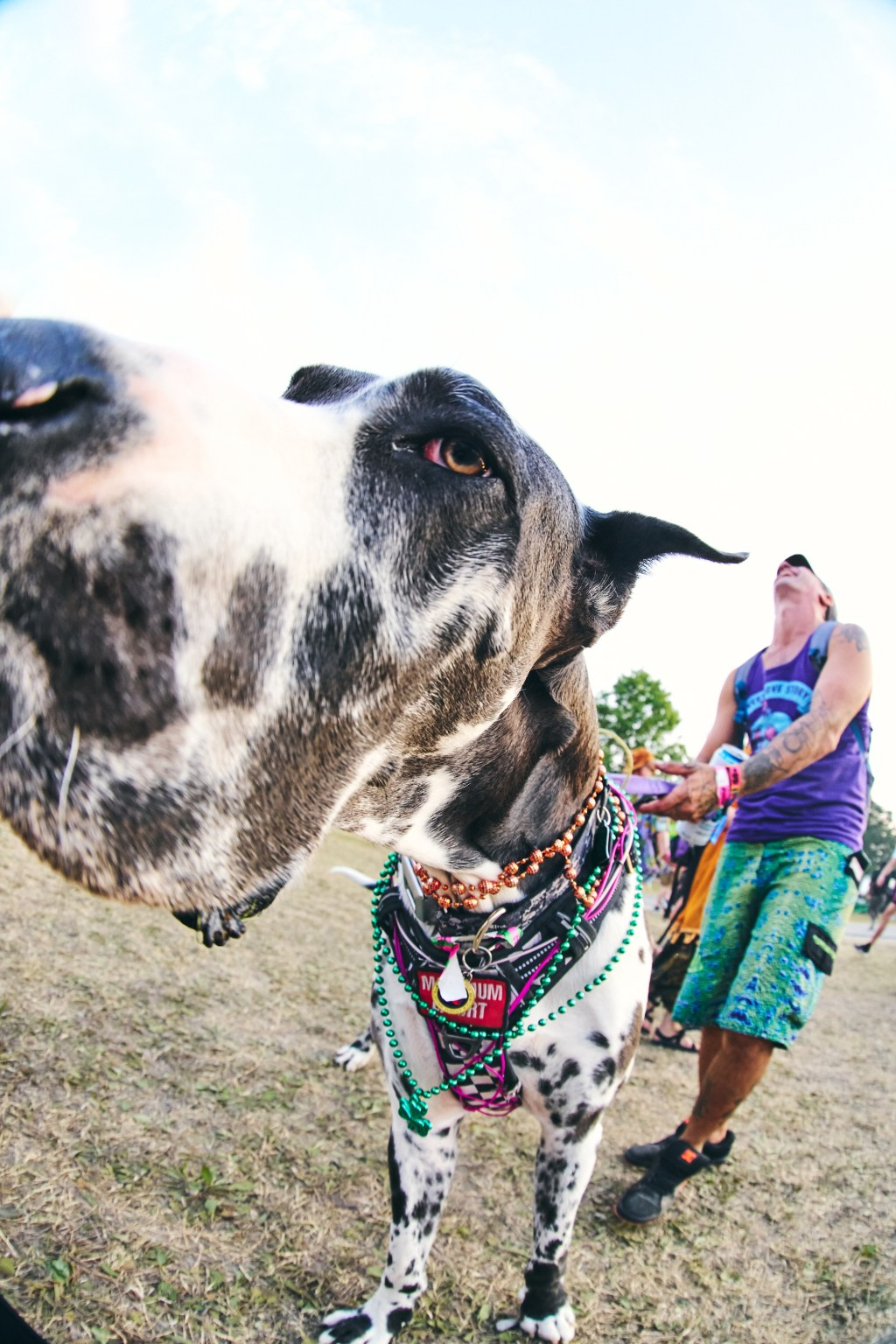
Bonnaroo 2023. More than one way of showing up.
Photo: Uproxx / Bonnaroo 2023
The rave scene has always dressed with intention. PLUR, kandi, the elaborate fits: all of it carried real meaning. The festival era added another layer. As EDC, Coachella, and Bonnaroo turned into something you planned a year in advance, the fashion scaled up with them. An outfit became something you sourced, assembled, and documented. That culture is still very much alive.
What shifted is that a different crowd started showing up. Not people who stumbled into electronic music through a festival, but rather people who were already deep in the scene, who go to shows on random Thursdays, who have opinions about which label nights are worth flying for. They showed up dressed the way they always dress. And it turned out that look was its own thing.
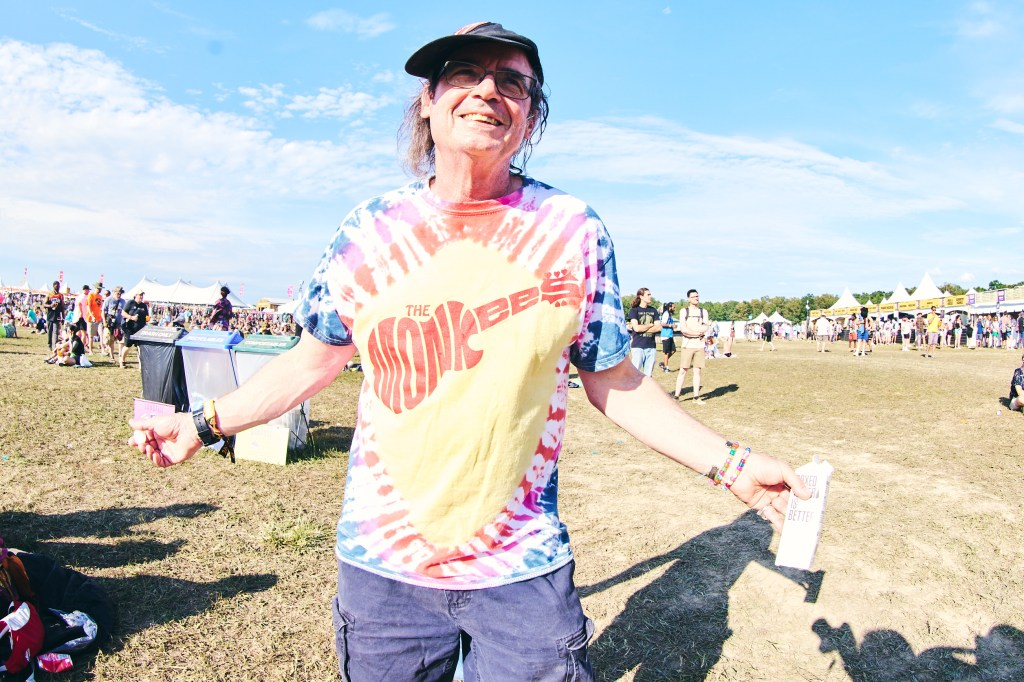
Bonnaroo 2023. The grounds hold more than one way of being in the scene.
Photo: Uproxx / Bonnaroo 2023
Watch what gets worn to a Berghain queue video, or a Movement set, or a fabric night in London. The people inside those rooms dress a certain way in everyday life, and they show up to festivals dressed the same: heavyweight cotton, wide-leg cargos, graphic tees that reference a specific label or a sound system rather than a generic music note.
Kaytranada is a good reference. He doesn’t step on stage in theatrical fits. His look is what it is: clean, rooted, specific. A lot of his crowd shows up the same way. Same with the DJ Boring crowd, the UK rave regulars, the Detroit heads. This is what the scene looks like when the festival-specific outfits get taken out of the equation.
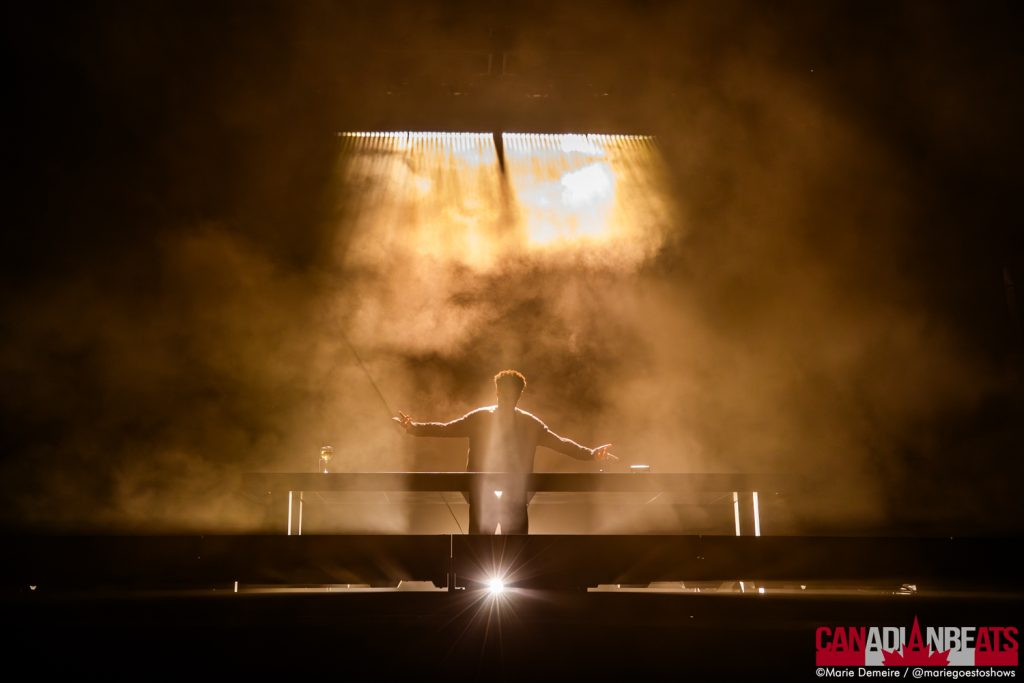
Kaytranada performing. The look matches the music.
Photo: Marie Goes To Shows / Canadian Beats
TikTok moved things faster. Fit videos from clubs started circulating to people who had never been inside one.
There’s a practical argument underneath this, too. A three-day festival is physically brutal with the heat, hours on your feet, camping, no sleep, and a lack of food. The outfit that actually works at 2 am on the main stage and 10 am in the breakfast line is not an elaborate, constructed piece. It’s a broken-in tee and good shoes. At some point, comfort and cultural fluency started pointing in the same direction.
The merch side moved with it. Festival and rave merch used to be an afterthought, but have changed into a black tee with a logo, something you bought at the booth because you were there. Now it’s a design category. Labels and promoters are putting real thought into graphics that reference specific sounds, specific scenes, specific moments in music history. A tee from a Movement afterparty or a Drumcode night carries context. The people who know it know.
Rave-specific clothing brands followed the same logic: create your brand around the culture, not around the occasion. The difference between a brand that makes festival clothing and one that makes rave streetwear is whether you’d wear it on a random Wednesday.
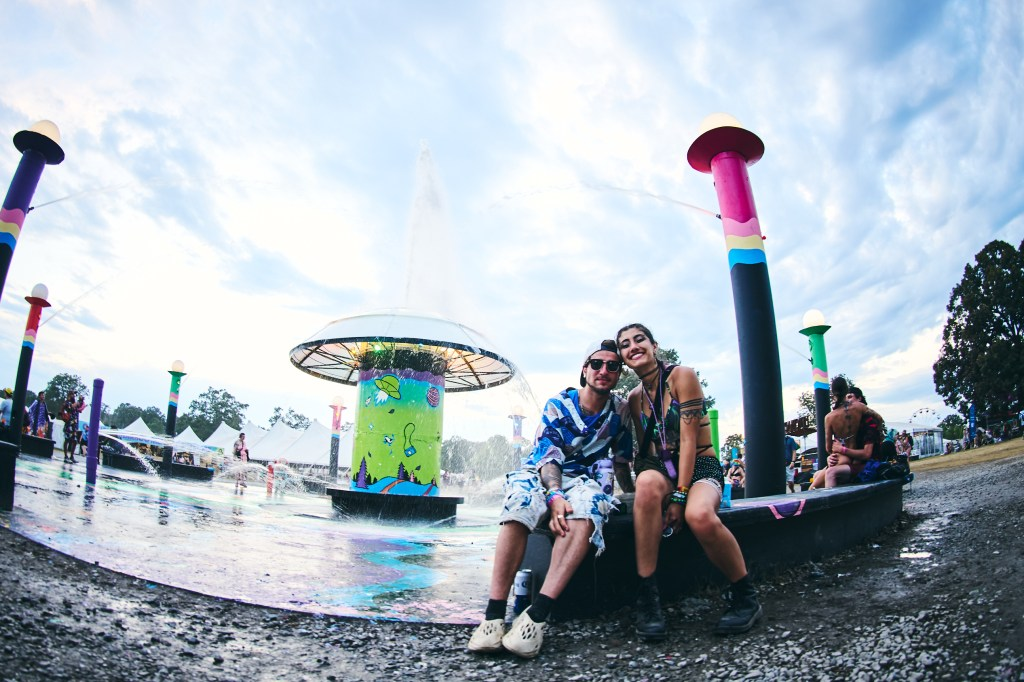
Bonnaroo 2023. Every aesthetic that’s ever shown up at a festival is still there.
Photo: Uproxx / Bonnaroo 2023
There’s a version of this that’s about identity. People who are deep in electronic music don’t want their connection to the culture to disappear when the weekend ends. The clothing is one answer to that. The same tee you wore to a club night on Friday goes to the record store on Saturday. You don’t have to code-switch. The clothes carry the context with them.
The sustainability argument is a major talking point, too, even if it’s not how most people think about it. A heavyweight piece you wear 80 times is a fundamentally different purchase from a festival fit you wear once.
Rave streetwear doesn’t have a finish line, and it’s not competing with anything that came before it. The kandi crowd is still there. The elaborate fits are still there. All of it coexists, same as it always has.
What’s new is that there’s now a wardrobe for people who want to carry the culture with them on a Tuesday. Electronic music got big enough to need one. It took a while to get there.
Rave Uniform is a rave streetwear brand built for people who carry rave culture into everyday life, not just festival weekends. Purchase HERE!